Health & prevention · Updated November 11, 2026
7 Signs of Gum Disease You Shouldn't Ignore (And What Treatment Costs)

The 7 signs to watch for
- Gums that bleed when you brush or floss (healthy gums do not bleed)
- Red, swollen, or tender gums
- Bad breath or a bad taste that will not go away
- Receding gums — teeth that look longer than they used to
- Gums pulling away from teeth, forming pockets
- Loose teeth or teeth that shift
- A change in how your teeth fit together or how a denture sits
Gingivitis vs. periodontitis: what is reversible?
Gingivitis is the early stage: plaque irritates the gums, causing bleeding and swelling, but no bone has been lost. A professional cleaning and better home care can fully reverse it. Periodontitis is what happens when it is left alone — the gums pull away, bacteria colonize the pockets, and the bone holding your teeth is gradually destroyed. That damage cannot be undone, but the disease can be stopped and managed. Gum disease is the leading cause of tooth loss in adults, which is why 'my gums bleed a little' deserves a visit, not a shrug.
How gum disease is treated
A regular healthy-mouth cleaning is $79 and is the right service for prevention in healthy gums — but it is not a gum disease treatment, and if we see signs of periodontitis we will explain the difference and your options before doing anything.
- Deep cleaning (scaling and root planing): removes plaque, tartar, and bacteria below the gumline and smooths the roots so gums can reattach. New patients get 30% off deep cleanings.
- Antibacterial therapy: medicated rinses or antibiotics to control the infection while tissue heals.
- Laser gum therapy: for advanced cases, a dental laser removes infected tissue and kills bacteria with less discomfort and faster healing.
- Periodontal maintenance: regular follow-up visits (more often than standard cleanings) to keep the disease from coming back.
What happens if you ignore it
The progression is predictable: bleeding gums, deepening pockets, bone loss, loose teeth, and eventually lost teeth — which then means implants, bridges, or dentures to replace them. Treating gum disease early is by far the cheapest and least invasive point on that path, and it protects the teeth you still have.
Frequently asked questions
Is it normal for gums to bleed when flossing?
No. Healthy gums do not bleed. Bleeding is usually the earliest sign of gingivitis — and a reason to book a cleaning, not to stop flossing.
Can gum disease be cured?
Gingivitis can be fully reversed. Periodontitis cannot be cured, but deep cleaning and maintenance can stop it progressing and save your teeth.
How much does gum disease treatment cost?
It depends on how many areas need deep cleaning. New patients receive 30% off deep cleanings at South Lakeland Dental, and we price your plan after measuring your gums. Healthy-mouth cleanings for prevention are $79.
Does gum disease treatment hurt?
We numb the area for deep cleanings, and laser therapy is minimally invasive with quick healing. Sedation is available starting at $99 if you are anxious.
More articles
Costs & pricing · November 11, 2026
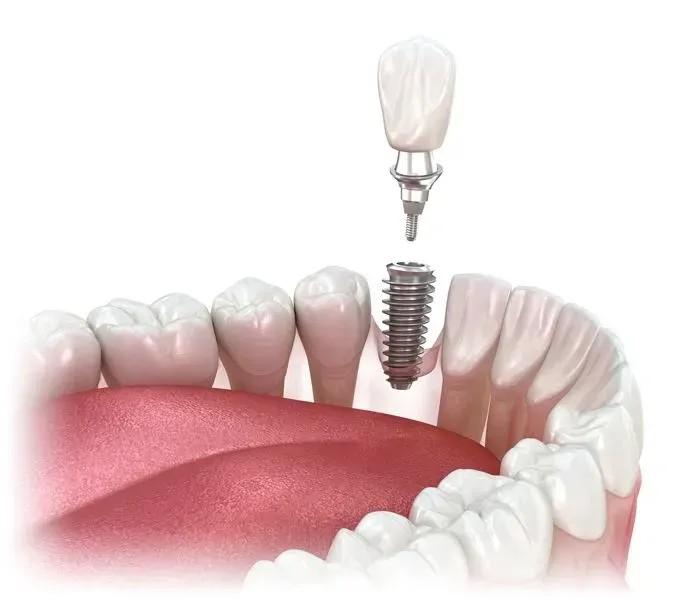
How Much Do Dental Implants Cost in Lakeland, FL? (2026 Pricing Guide)
Real numbers for single implants, snap-on dentures, and full mouth dental implants in Lakeland — plus what many offices charge extra for that we include.
Read more →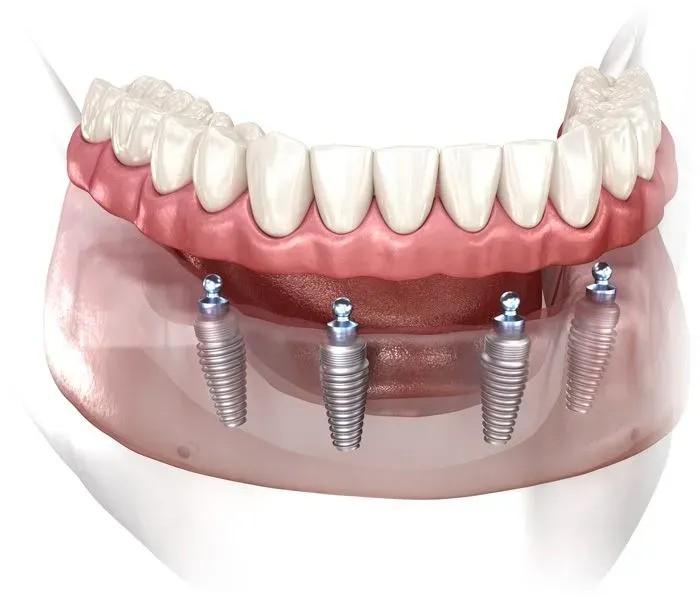
Implants & dentures · November 10, 2026
Full mouth dental implants vs. Snap-On Dentures vs. Regular Dentures: Which Is Right for You?
Fixed, snap-on, or removable? A side-by-side comparison of the three ways to replace a full arch of teeth, with honest pros, cons, and prices.
Read more →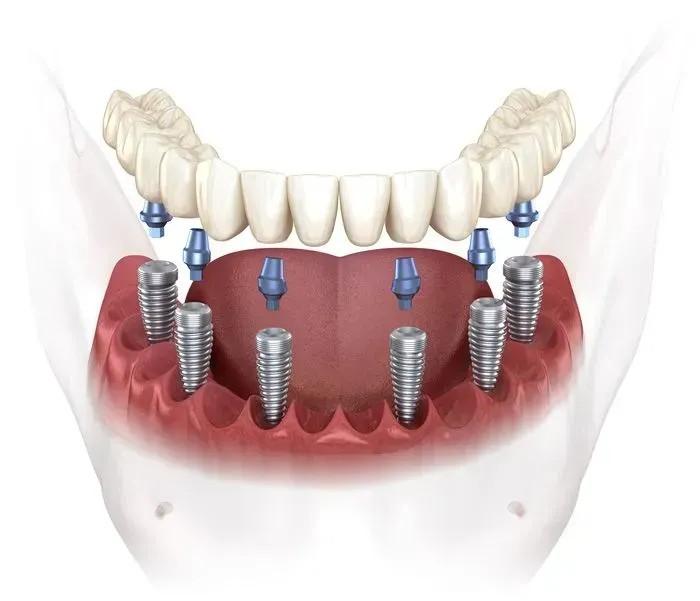
Implants & dentures · November 9, 2026
What to Expect With full mouth dental implants: From Consultation to Final Teeth
Consultation, surgery day, provisional teeth, healing, final smile — the full full mouth dental implants journey explained in plain language.
Read more →